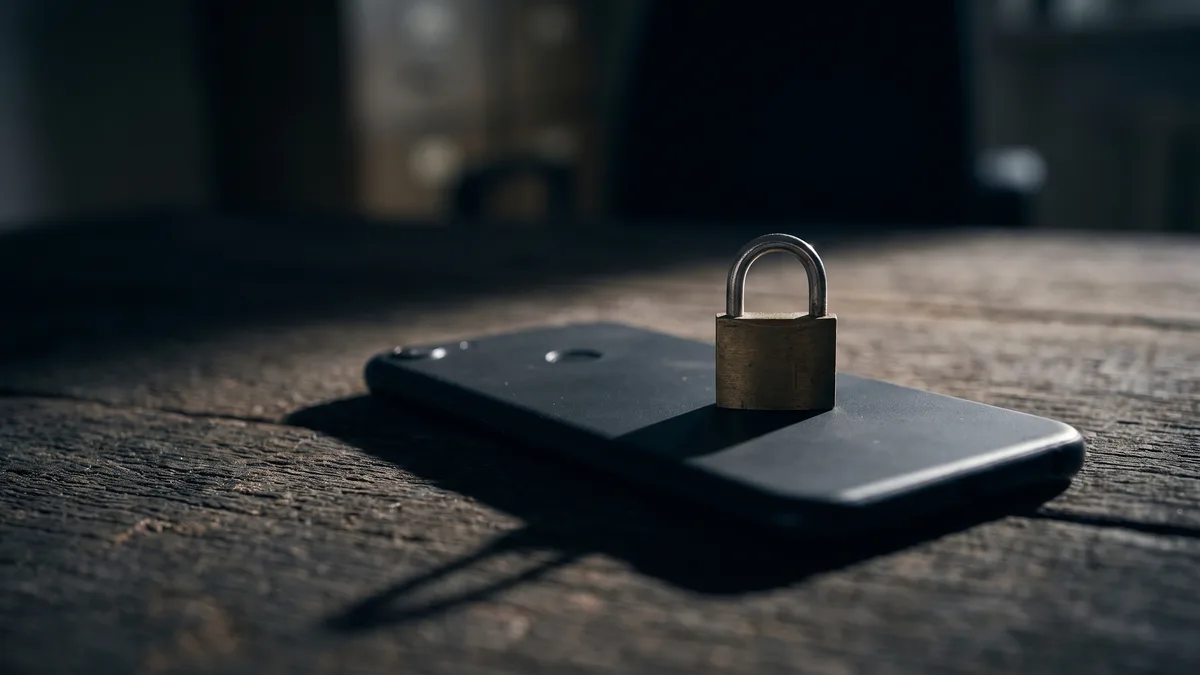
Mobile Insurance Companies in India 2020
Say the word insurance in an Indian household and people think of life cover or a health policy. A policy on a handset sounds trivial next to those, right up to the afternoon you drop a phone that cost more than a month of rent and find out the warranty has nothing to say about the crack running across it.
This guide is deliberately not a league table. Premiums, exclusion lists and settlement practices are revised often, and any figure quoted on a web page ages badly. What stays stable is the shape of these products: the risk they are built to absorb, the clauses that decide claims, and the sums you should do before you agree to pay. Treat everything below as a framework for reading a policy document, and confirm the current wording with the insurer before you buy.
Device Cover Is Not A Longer Warranty
The two get confused constantly, and the confusion is expensive. A manufacturer warranty is a promise about the product itself: if a component was faulty when it left the factory, the maker fixes it at the brand's cost.
An insurance policy sits on the other side of that line, responding to events rather than defects. Something sudden and external happened to a phone that was working perfectly, and the insurer pays to put it back. That is why a warranty claim is usually painless while an insurance claim involves paperwork: the insurer has to establish that the event was genuine, accidental, and inside the terms you signed.
It also explains an unpleasant surprise many owners hit. Drop your phone and the warranty is not merely silent, it may be void for that damage entirely. The two products do not overlap. They cover opposite categories of misfortune.
What These Policies Are Built To Pay For
Plans differ, but most standalone device policies sold in India are assembled from the same small set of covers, and you are usually choosing which of them are switched on.
- Accidental damage from a drop or impact, which in practice means a broken display or a cracked back panel
- Internal damage caused by the same event even where the outside looks intact
- Liquid damage, sometimes bundled and sometimes sold as a separate add-on
- Theft or burglary, where the policy names it explicitly and you can prove it
- Fire and, on some plans, damage arising from a listed natural event
- An extended repair cover that continues after the brand warranty period, sold alongside the accident cover
The word that carries the weight is accidental. Insurers define it narrowly: the damage must be sudden, unexpected and caused by something outside the device. A screen that develops a line over eight months of pocket pressure fails that test. A screen broken when the phone hit a staircase passes it. If you cannot describe the incident as a single moment, expect friction.
The Exclusions Decide More Claims Than The Cover Does
Read a device policy back to front. The schedule of benefits is the marketing; the exclusions are the product. These are the recurring ones, and they are the reason most rejected claims get rejected.
- Loss rather than theft — a phone left in an auto or misplaced at a wedding is usually not the same event as a phone taken from you, and many plans pay only for the second
- Theft claimed without a police complaint, since the FIR is the document the insurer treats as proof the event happened
- Repairs carried out anywhere the insurer has not approved, which can void the claim even when the damage itself was covered
- Liquid contact beyond the limit named in the wording, with submersion and splash frequently treated as different things
- Cosmetic marks, scuffs and gradual wear, none of which count as an accident
- Battery ageing, software faults, storage corruption and anything the phone did on its own
- Accessories, chargers, cases and earbuds unless the policy lists them separately
- Deliberate damage or gross negligence, which is where an insurer will contest a story that does not hold together
- Devices bought without a tax invoice, or bought used, or enrolled outside the window the plan allows
That third point deserves emphasis, because people trip on it while trying to be helpful to themselves. A cracked screen goes to the market repair shop first, comes back working, and the claim is filed afterwards for reimbursement. By then nobody independent can inspect the damage and the seal has been broken by an unapproved hand. Do not let anyone open the phone until the insurer has told you where to take it.
How Much A Claim Actually Puts Back In Your Pocket
A covered claim is not the same as a full refund of what you paid for the handset, and expecting one is the single biggest cause of disappointment with these plans. Four mechanisms sit between the damage and the money.
The first is the sum insured, generally tied to the invoice value and acting as the ceiling on everything the policy will ever pay for that phone. The second is depreciation: insurers treat a handset as a wasting asset, so the value they recognise falls the longer you have owned it, and the schedule for that reduction is written into the policy rather than negotiated after the damage.
The third is the excess, sometimes called the deductible: a fixed amount, or a share of the claim, that you pay before the insurer pays anything. It exists to discourage small claims, and it is the number people forget to ask about. A plan with an attractive premium and a heavy excess can leave you paying most of a screen replacement yourself.
The fourth is the repair-first principle. Insurers replace a phone only when repairing it is uneconomic, meaning the estimate crosses a stated proportion of the recognised value. Below that line you get your own device back, repaired; above it you may be offered a handset of similar specification rather than the identical model, and you will usually surrender the damaged one. Most plans also cap claims per policy year, and a settled claim frequently reduces the cover left for the rest of the term.
Where These Plans Are Sold
In India the same cover reaches you through three different doors, and the door changes the experience more than the wording does.
Dedicated device insurers: Companies whose entire business is protecting gadgets. They tend to have the widest plan menu and the clearest online claim intake, and they will usually insist on enrolling the phone close to the purchase date.
Protection sold at the counter: The plan offered by the retailer or the brand while your bill is being generated. It is the easiest to buy, which is exactly the problem: nobody reads a policy standing at a billing counter, and the person selling it is not the person who will assess the claim.
Riders on a general insurance policy: An extension attached to a household or all-risk policy. This route can be cheaper if you already hold the base policy, but the claim then runs through a general insurer whose device workflow may be slower than a specialist's.
Compare the claim machinery, not just the premium. What you are actually buying is a fast, predictable repair, so ask how a claim is registered, who inspects the device, and how long settlement usually takes. Vague answers to those questions are themselves an answer.
Filing A Claim Without Wrecking It
The order of these steps matters more than the speed of any single one.
Step 1: Report the incident to the insurer first, before you do anything else with the phone. Most policies require intimation within a short, stated window, and missing it is a clean reason for rejection regardless of how genuine the damage is.
Step 2: For theft, file a police complaint and obtain the FIR copy. Without that document a theft claim generally does not proceed at all, and the complaint should be filed promptly rather than after you have finished hoping the phone turns up.
Step 3: Leave the device untouched. No local repair, no opening the back, no attempting to dry a wet phone with heat. Photograph the damage from several angles while it is still in the state the insurer will be told about.
Step 4: Assemble the paperwork: original purchase invoice, the IMEI, the policy or plan number, your identity proof, the incident photographs, and the FIR where one applies. Keep a soft copy of the invoice somewhere other than the phone itself.
Step 5: Take the device where you are told to take it. Assessment normally happens at an authorised service centre or a partner workshop, and the estimate they generate is what the insurer settles against.
Step 6: Confirm whether settlement is cashless at that centre or a reimbursement to your account afterwards. If it is reimbursement, keep every receipt, because you will be asked for them.
Mobile insurance as a product — an honest reading
- Breadth of cover — genuinely fills a gap the warranty leaves open
- Exclusion density — heavy, and written in the insurer's favour
- Claim friction — paperwork, inspection and waiting are the norm, not the exception
- Value for money — defensible on an expensive new phone, weak on a cheap or ageing one
Summary
A reasonable purchase for a costly handset in its first year, provided you read the exclusions before you pay rather than after you break something.
The Arithmetic Nobody Does At The Billing Counter
Work it out on paper once and the decision usually makes itself. Add the premium for the full term to the excess you would pay on a single claim. That total is your real cost of one covered accident. Now set it against what a display replacement for your specific model actually costs at an authorised centre — call the centre and ask, because that figure varies enormously between a budget phone and a flagship with a curved panel.
If the premium plus excess sits close to the repair bill, the policy is buying you very little except the removal of a sudden shock to your finances. If the repair bill dwarfs the premium, the policy is doing real work. On flagship devices the gap is usually wide enough to justify cover in the first year or two, while the recognised value is still high and depreciation has not eaten the settlement.
A self-insurance alternative is worth taking seriously. Put the premium into a savings account every year and leave it alone. If nothing breaks, the money stays yours. That approach fails only when a phone breaks early, which is precisely the risk a policy exists to smooth out, so the real question is whether you could absorb a sudden bill rather than which option is cheaper on average.
When You Should Not Buy Cover
Skip it on an inexpensive handset. Once depreciation and the excess are applied, the settlement on a budget phone can approach the cost of simply replacing it, and you will have paid a premium for the privilege. A sturdy case and a tempered glass sheet cost a fraction of a year's premium and prevent a meaningful share of the accidents that would otherwise become claims.
Skip it if the phone is already well into its life, since cover bought late protects a low recognised value and pays out accordingly. Skip it if you already hold protection you have forgotten about, because some credit cards, employer device policies and household all-risk covers include handsets, and a second policy on the same phone does not double your payout. Skip it, too, if you know you would never actually chase an FIR or spend a morning at a service centre.
If you do decide to buy, put these questions to the seller and get the answers on the plan document rather than as a verbal assurance at a counter.
- Is liquid damage inside the base plan or an extra, and how is the limit defined?
- Is theft covered, and precisely what proof will be demanded?
- What is the excess per claim, and is it a flat sum or a share of the claim?
- How is depreciation applied as the phone ages?
- How many claims may I make in one year, and does a claim reduce the remaining cover?
- Must repairs happen at a named centre, and is there one in my city?
- How soon after purchase must the phone be enrolled?
- Can the plan be cancelled, and does it transfer if I sell the phone?
Questions Readers Send About Phone Cover
Can I insure a phone I have owned for a year? Often not on a standalone accident plan. Many insurers require enrolment within a short window of purchase, because a device they have never seen could already be damaged. Some allow later enrolment after an inspection or a video verification. Ask before assuming either way.
Is a lost phone the same as a stolen one? Usually not, and this is the exclusion that catches the most people. Theft implies someone took the device, and the FIR describes that. A phone you simply cannot find is often classed as mysterious disappearance and left uncovered. Check whether the wording says theft, burglary, or loss, because those three words carry different meanings here.
Will I get a brand new phone if mine is beyond repair? Not necessarily. Settlement on a total loss is normally based on the depreciated value, and any replacement offered may be an equivalent model rather than the same one. You will also typically hand over the damaged device.
Is screen-only protection worth taking? It is cheaper and it targets the failure that actually happens most, so for a careful owner of an expensive phone it can be a sensible middle path. Confirm whether it covers the display assembly alone or also the internal damage that often accompanies a hard drop.
The short recommendation: if you have just bought a costly phone and a sudden repair bill would genuinely hurt, buy cover, but buy it after reading the exclusions and the excess rather than while a salesperson waits for you to nod. If your handset is modest, or already a couple of years old, put a case on it and keep the premium. Whichever you choose, verify the terms directly with the insurer, because the wording is what pays the claim.